Provenance Over Trinkets

Acquiring Authentic Craft Across Europe

For mindful travelers seeking the living heritage of European guild traditions, historical kilns, ancient hand looms, and regulated regional pantries. Step past manufactured mass trinkets into the world of genuine regional objects.

01
The Principle

Provenance Over Mass Production

Every historic capital across Europe hosts storefronts laden with identical resin figurines, printed tea towels, and factory-pressed keychains. These objects bear no relationship to the soil, raw materials, or artisans of their purported origin. By contrast, acquiring authentic European souvenirs is an inquiry into material culture—the preservation of multi-generational workshops that uphold protected designations and manual techniques.

Selecting pieces bearing certified guild hallmarks, such as the Vetro Artistico Murano seal in Italy or the EPV (Entreprise du Patrimoine Vivant) label in France, actively shelters independent master craftsmen from industrial commodification. When travelers support workshops with geographic indications, they bring home items imbued with lasting cultural continuity.
02
Subtopic One

Ceramic & Glass Traditions

European earth and sand have fueled continental kilns for millennia. From the tin-glazed majolica of Deruta in Umbria and the cobalt-brushed tiles of Bordallo Pinheiro in Portugal to the hand-turned salt-glaze stoneware of the Westerwald region in Germany, authentic pottery retains the raw tactile mark of the wheel and the heat of the fire.

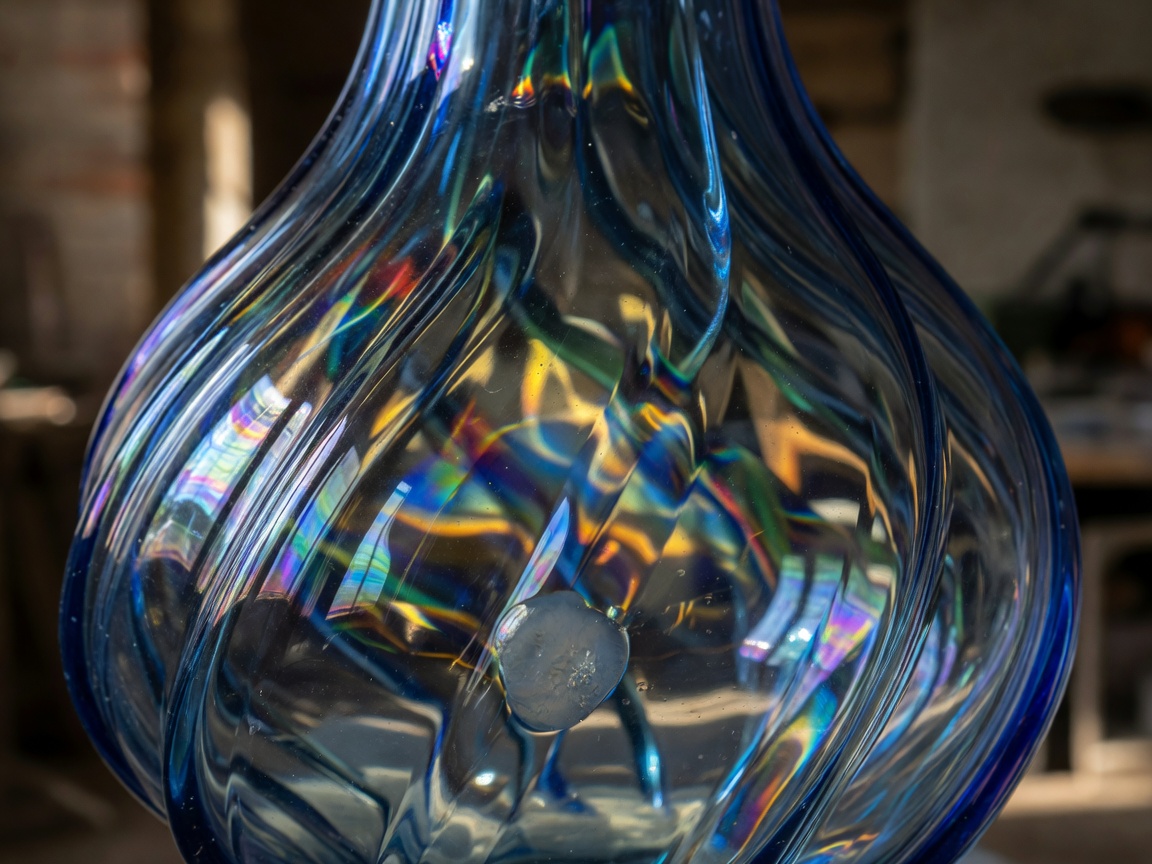
Macro detail of Venetian blown glass ribs capturing light refraction and artisanal pontil mark

Detailed examination of hand-blown furnace pontils and layered soda glass ribs.

On the island of Murano in Venice, master glassmakers work furnace cane into fragile chalices that exhibit clear pontil marks—the distinct circular scar where the blowpipe was severed. Discover how to identify workshop marks, avoid counterfeit crystal, and safely transport fragility.

Read the comprehensive Ceramic & Glass guide →

03
Subtopic Two

Textiles & Handwoven Linen

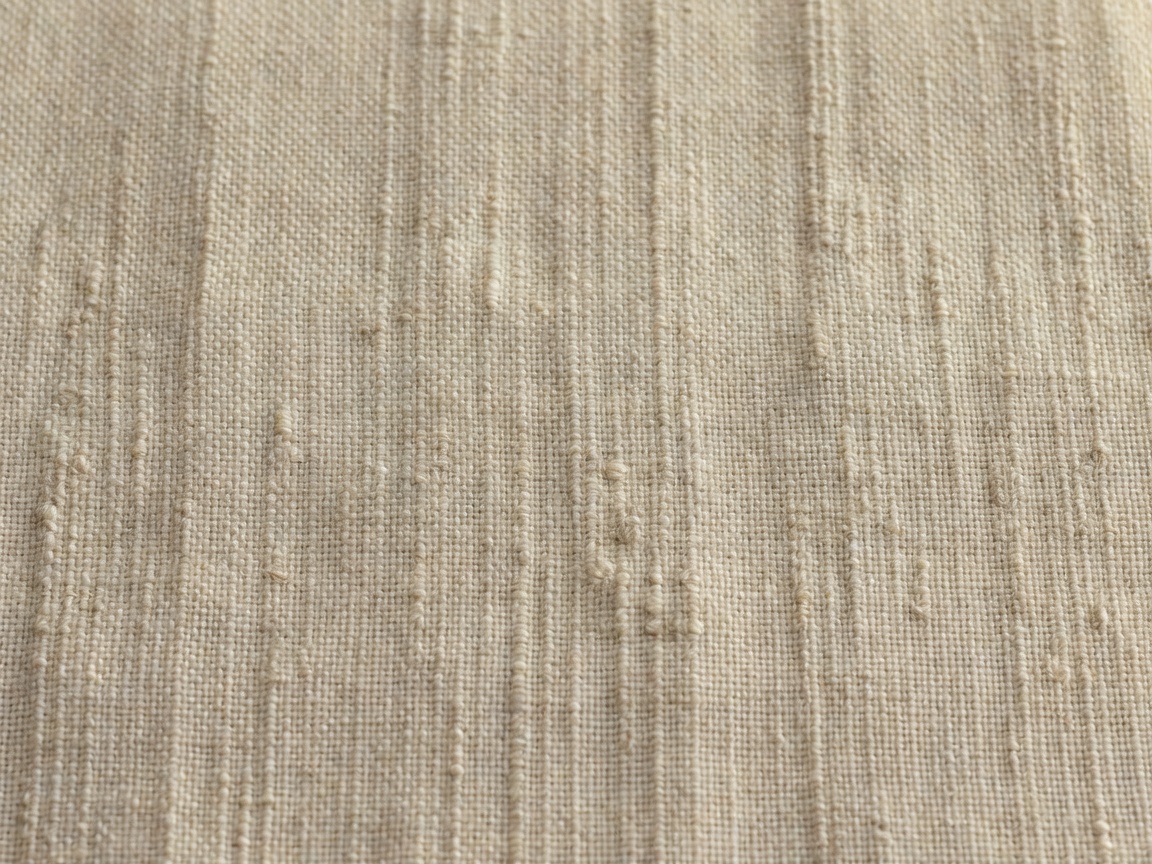
Continental weaving traditions bridge functional home goods and fine decorative arts. In the Minho region of northern Portugal and across the flax fields of Normandy and Flanders, heritage weavers preserve shuttle-loom mechanics that yield supple linen with characteristic organic slubs.

Close-up texture of unbleached European handwoven linen fabric showing shuttle loom slub texture

Shuttle-loomed natural linen demonstrating density, irregular slubbing, and finished selvedges.

Further north, the Outer Hebrides of Scotland produce genuine Harris Tweed, woven exclusively by hand on domestic treadle looms using virgin wool spun in local mills. Investing in genuine European textiles requires an understanding of fiber grades, thread count honesty, and guild certification labels.

Read the detailed Loom & Fiber heritage dossier →

04
Subtopic Three

Culinary Keepsakes & Pantries

A country's edible exports often offer the most evocative sensory connection to its landscape. However, tourist gourmet emporiums often peddle commercial batches diluted with synthetic aromas. Authentic keepsakes lean strictly on European Union legal protections: Protected Designation of Origin (PDO/AOP) and Protected Geographical Indication (PGI/IGP).

From balsamic vinegar aged through wooden cask batteries in Modena and raw milk cheeses matured in alpine grottos, to single-estate olive oils pressed in Kalamata, learning how to verify seal stamps guarantees that your culinary keepsakes preserve genuine terroir.

Explore regional pantry seals and storage practices →

05
Subtopic Four

Workshop Etiquette & Export Rules

Acquiring meaningful objects requires thoughtful engagement with the artisans themselves, alongside rigorous attention to international customs declarations. Many travelers face the disappointment of having cured meats confiscated by border controls or discovering hidden export duty fees on valuable decorative antiques.

Learn the proper protocols for visiting working ateliers, negotiating with respectful deference to manual labor, documenting Value Added Tax (VAT) refunds correctly, and packaging delicate porcelain or forged cutlery safely for transit across international borders.

Review customs limits, VAT protocols, and workshop etiquette →

06
Collector Queries

Inquiries on Sourcing

How can I tell if Murano glass was truly blown in Venice?

Authentic modern Murano glass is certified by the regional trademark "Vetro Artistico Murano," bearing an anti-counterfeit tamper-evident sticker with a unique serial number and QR code. Furthermore, handcrafted pieces will feature hand-tooled pontil scars on the base rather than smooth machine-molded uniform edges.

What legal marks protect European artisanal culinary items?

Look for the red-and-yellow European Union Protected Designation of Origin (PDO/AOP/DOP) roundel, which mandates that every stage of production, processing, and preparation occurred in that specific geographic region under strict historical rules.

Can cured meats and fresh cheeses be brought across international borders?

While hard aged cheeses in vacuum seals are frequently permissible under non-EU customs rules (such as US Customs and Border Protection), fresh cured meats (like jamón ibérico or prosciutto) are strictly prohibited from entering many jurisdictions without certified commercial import documentation.

Consult the full archive of sourcing queries →