The Intersection of Craft and Border Compliance
Acquiring authentic European regional treasures culminates in their safe and lawful passage home. Thousands of travelers every year suffer the disappointment of having priceless artisanal cured foods confiscated by customs officers at arrival hubs or unknowingly violating national heritage export statutes when transporting vintage decorative goods. Navigating this intersection requires disciplined preparation and strict adherence to statutory declarations.
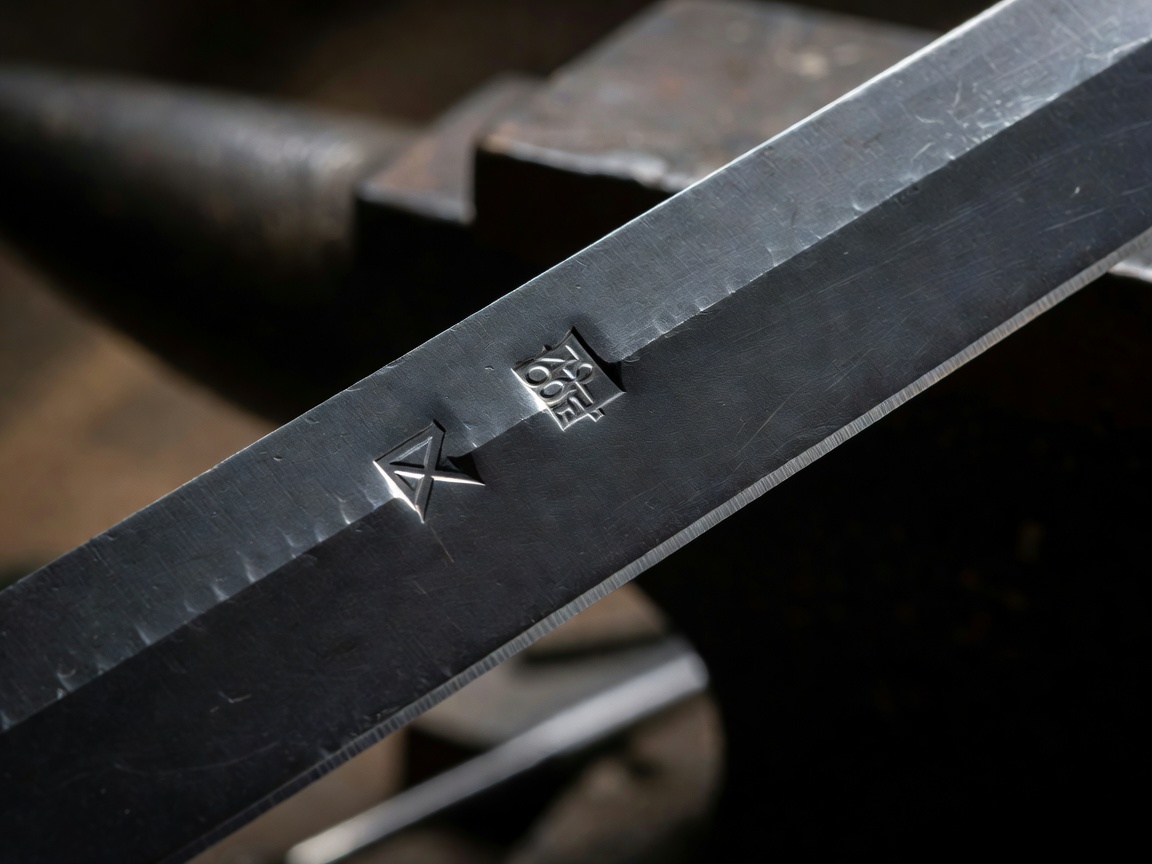
Artisanal cutlery from Solingen requires precise stamped hallmark verification and secure checked transit.
Navigating International Agricultural Clearances
International biosecurity policies are non-negotiable. While borders within the European Union Schengen area operate without customs stops, exiting the European Union to destinations such as the United States, Canada, Australia, or the United Kingdom requires strict compliance with domestic import bans:
| Category | Permitted for Non-EU Homebound Transit | Strictly Prohibited / Confiscated | Mandatory Handling Protocol |
|---|---|---|---|
| Cheeses & Dairy | Hard aged cheeses (Parmigiano, Manchego, Comté) | Soft unpasteurized runny cheeses or cheeses packed in liquid whey | Must be vacuum-sealed and commercially labeled; always declare on form |
| Meats & Charcuterie | Canned commercially shelf-stable patés (country specific) | Fresh cured ham (Jamón Ibérico, Prosciutto di Parma, Speck) | Declare upon arrival; undeclared meat incurs heavy federal fines |
| Botanicals & Seeds | Processed dried herbal teas, packaged roasted coffee | Live cuttings, root stock, unroasted seeds, wild soil moss | Requires official phytosanitary export certificate if plants are live |
| Cutlery & Blades | Hand-forged kitchen knives (Solingen, Thiers, Opinel) | Never permitted in passenger carry-on hand baggage | Must be packed securely in locked, checked baggage inside protective sheaths |
Workshop Etiquette: Respecting the Artisan Space
Visiting a working atelier—whether a ceramic studio in Caltagirone or a copper-smithing workshop in Villedieu-les-Poêles—is an invitation into a working production space, not a department store. Mindful collectors observe several basic courtesies:
- Permission Before Photography: Never film or photograph artisans operating wheels, blowpipes, or looms without asking explicitly. Many craft guilds maintain proprietary pattern formulas.
- The Fallacy of Aggressive Haggling: Unlike open tourist bazaars selling factory surplus, independent European guild artisans set prices reflecting extensive manual labor hours, overhead kiln energy costs, and decades of mastery. Haggling over unique handmade objects is considered disrespectful. Modest courtesy discounts are typically offered voluntarily on multi-piece commissions.
- Direct Commissions: If commissioning bespoke dimensions (e.g., custom linen tablecloths or monogrammed faience dinnerware), request an explicit written production estimate and agree in advance on shipping insurance coverage.
Value Added Tax (VAT) Refunds Demystified
Non-EU residents traveling in the European Union are legally entitled to claim a refund on the Value Added Tax (TVA, IVA, MwSt) levied on consumer goods intended for personal export. To successfully execute this:
- Spend Thresholds: Confirm that your purchase meets that specific nation's minimum single-store threshold on the same day (thresholds vary widely across member states).
- The Tax-Free Form: Request a Tax-Free Form at the cash register. Present your original passport. The merchant will generate an invoice linked to an approved processing network.
- Customs Validation: Before checking bags at your final EU departure airport, present your tax-free documents, receipts, unused items in original packaging, and boarding pass to the Customs Tax Refund desk (or electronic kiosk) to receive the mandatory official stamp. Without this stamp, refund processing is void.
Cultural Heritage Export Laws and Antiques
When purchasing antique ceramics, historic religious iconography, or folk textiles exceeding 50 to 100 years of age, you may encounter national cultural preservation statutes (such as the Italian Beni Culturali or French heritage export codes). Legitimate antique dealers must provide a certificate of free circulation (Attestato di Libera Circolazione) indicating the piece is cleared for permanent export and does not constitute a protected national treasure.
Continue reviewing craft principles on Regional Kilns and Fire Marks and our repository of Common Sourcing Queries.