The Tactile Honesty of European Fiber
Textiles have historically formed the bedrock of domestic trade across Europe. Unlike mass-manufactured polyester blends that flood souvenir stalls with machine-printed regional emblems, authentic European textiles are defined by natural staple fibers: long-staple flax (linen), pure virgin sheep's wool, and mercerized combed cotton. Handled properly, these heirloom pieces do not degrade with laundering; rather, natural cellulose fibers soften, drape, and improve across decades of utility.
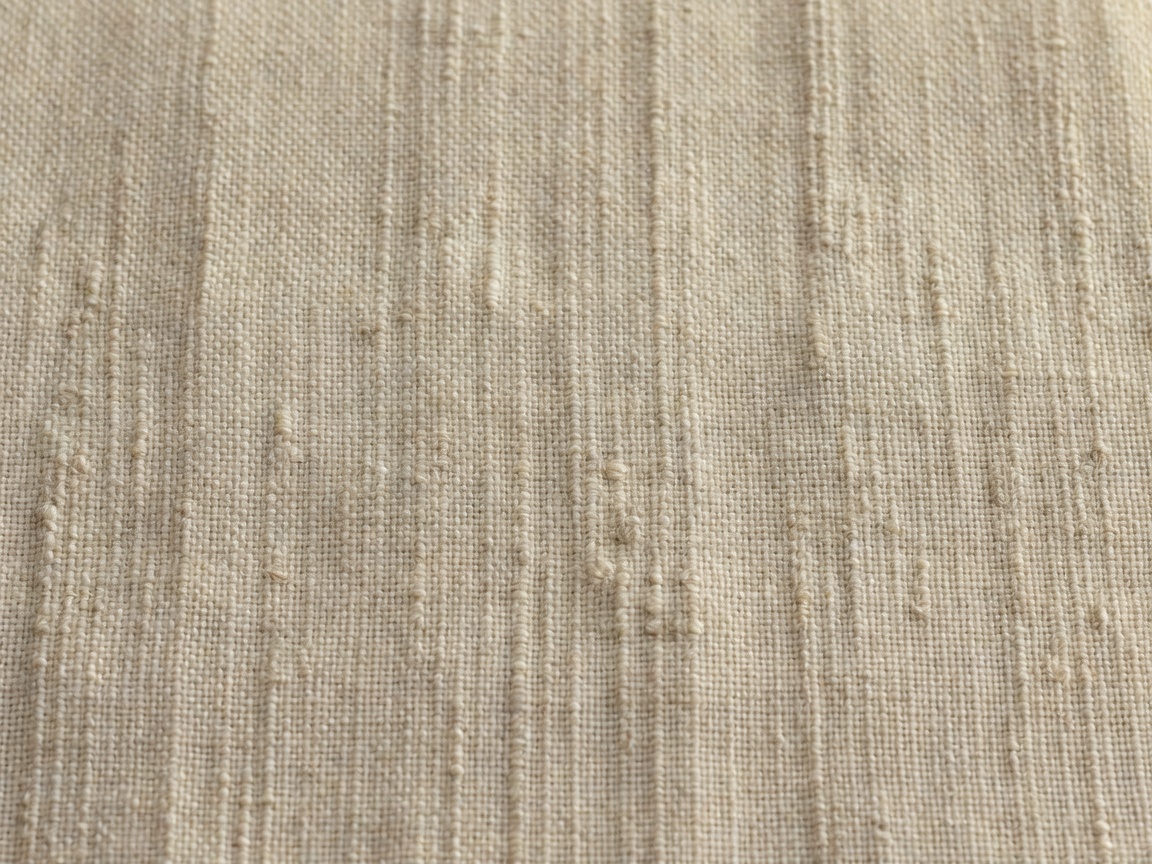
Natural raw flax weave with visible shuttle-loom selvedge margins and organic slub variation.
Regional Centers of Weaving Excellence
Masters of Linen (Flanders & Normandy)
Cultivated along the coastal belt stretching from Caen to Amsterdam, Western European flax yields exceptionally strong, smooth fibers. Look for the registered Masters of Linen mark, guaranteeing that 100% of cultivation, spinning, and weaving was executed within European boundaries under strict environmental criteria.
Harris Tweed (Outer Hebrides, Scotland)
Protected by an Act of Parliament passed in 1993, authentic Harris Tweed must be handwoven by islanders in their homes across Lewis, Harris, Uist, and Barra. Crafted from 100% pure virgin wool dyed and spun in the Outer Hebrides, each piece carries the iron-pressed Orb Mark.
Lenços de Namorados (Minho, Portugal)
These traditional "lovers' handkerchiefs" feature fine bleached linen embroidered by hand with vibrant cross-stitch, satin-stitch motifs, and charmingly phonetic Portuguese verses that date back to 17th-century courting rituals.
Klässbols Weaving Mill (Värmland, Sweden)
As Purveyor to the Royal Court of Sweden and provider of the Nobel banquet table linens, Klässbols preserves intricate damask jacquard weaving patterns using unbleached and linen-warp yarns that demonstrate Scandinavian textile mastery.
Distinguishing Hand-Loomed Weaves from Mass Synthetics
Connoisseurs look for subtle physical irregularities that verify mechanical handwork or small-batch shuttle-loom production over high-speed air-jet industrial weaving.
| Textile Category | Hallmark Certification | Physical Micro-Characteristics | Maintenance & Aging Profile |
|---|---|---|---|
| European Flax Linen | Masters of Linen / Club Masters | Natural slubs (slight yarn thickness variances), cool dry touch | Softens drastically after washing; fibers gain supple sheen |
| Harris Tweed | The Orb Stamp on cloth reverse | Multi-hued heather wool flecks, faint peat smoke aroma, dense heft | Naturally water-resistant; wool oils (lanolin) shed moisture |
| Irish Linen Damask | Irish Linen Guild Shamrock logo | Distinct warp/weft satin weave catching light at alternating angles | Maintains structural crispness; highly absorbent for tableware |
| Minho Embroidered Cloth | Certidão de Artesanato Tradicional | Visible embroidery tie-offs on reverse side, organic tension curves | Requires gentle neutral detergent wash; avoids bleach entirely |
Understanding the Burn Test for Fiber Purity
When purchasing vintage fabric lengths or uncertified textiles in open-air markets, seasoned textile collectors rely on fiber burning tests (conducted on a tiny unravelled stray thread):
- Flax & Cotton: Burns with a clear yellow flame, smells of burning paper or autumn leaves, and leaves a light, fine gray ash. It does not melt.
- Virgin Wool: Burns slowly with difficulty, smells intensely of singed hair, self-extinguishes when removed from the flame, and leaves a dark, brittle, crushable bead.
- Synthetic Reproductions (Polyester/Nylon): Melts rapidly into a hard, black, uncrushable plastic bead, producing harsh chemical black smoke. Never invest in decorative textiles showing synthetic melt behavior.
Purchasing and Preserving Heirloom Textiles
When buying raw woven cloth by the meter from historical mills, always ask the staff whether the yardage has undergone sanforization (pre-shrinking). Pure natural linen shrinks between 4% and 8% during its initial warm soak. Heirloom textiles should never be stored in airtight plastic containers; they require breathable archival cotton bags or unbleached tissue wraps to prevent fiber dehydration and yellowing.
Read further on regional acquisitions in our chapters on Ceramic Kilns and Fire Marks and Preserving Regional Flavors.